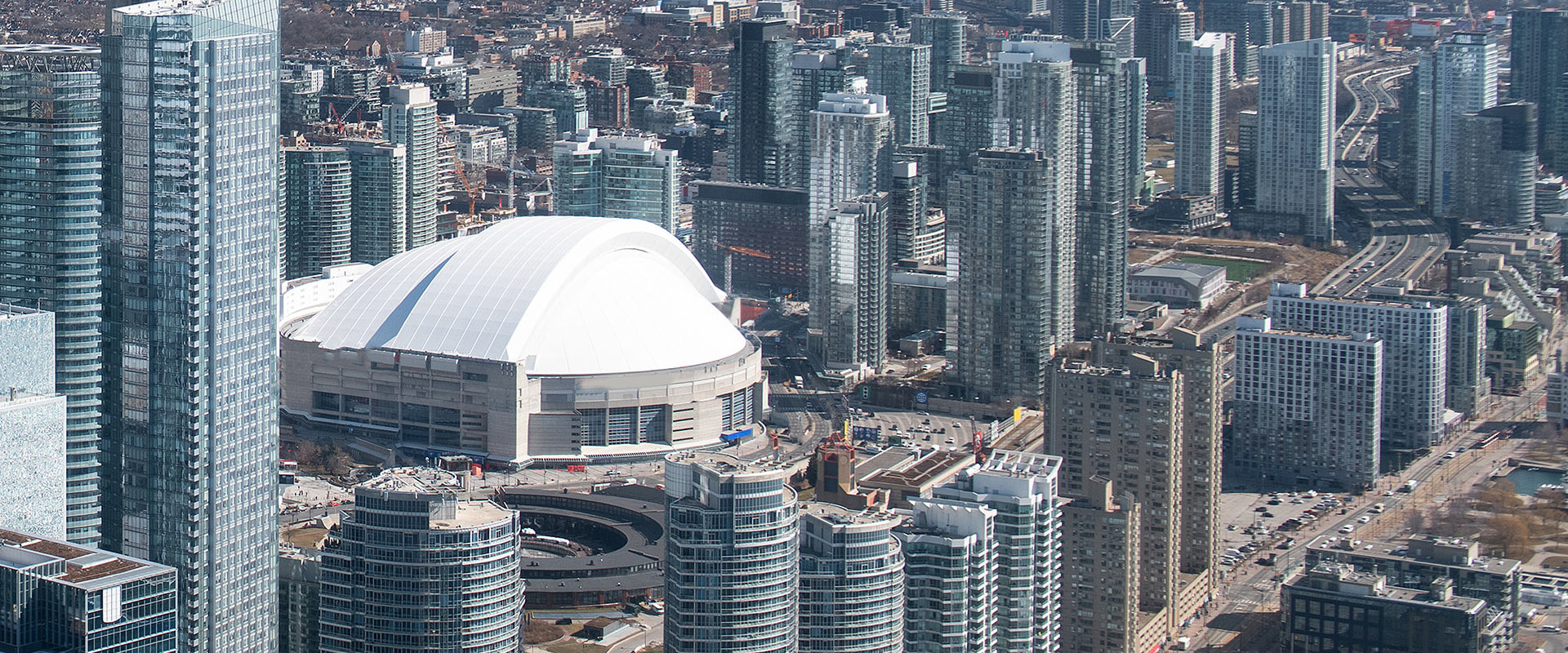
The Toronto housing market is a dynamic and multifaceted landscape that has garnered significant attention in recent years. As one of the most populous cities in Canada, Toronto has experienced a surge in demand for housing, driven by factors such as population growth, economic opportunities, and a vibrant cultural scene, including the promotion of national sports. However, this demand has also led to escalating prices, making it increasingly challenging for many residents to find is a dynamic and multifaceted landscape that has garnered significant attention in recent years. As one of the most populous cities in Canada, Toronto has experienced a surge in demand for housing, driven by factors such as population growth, economic opportunities, and a vibrant cultural scene, including the promotion of national sports. However, this demand has also led to escalating prices, making it increasingly challenging for many residents to find affordable housing. Understanding the current state of home sales in Toronto is crucial for potential buyers and investors alike.In recent years, the average price of homes in Toronto has reached unprecedented levels, with detached houses often exceeding the million-dollar mark.
This trend has prompted a closer examination of the affordable housing trends within the city. While some neighborhoods have seen significant price increases, others remain relatively accessible, offering opportunities for first-time homebuyers and those looking to downsize. The key to navigating this complex market lies in understanding the various factors that influence home sales, including interest rates, government policies, and local economic conditions.Moreover, the impact of the COVID-19 pandemic has further complicated the housing landscape. With remote work becoming more prevalent, many individuals are reevaluating their living situations and seeking homes that offer more space or are located outside traditional urban centers.
This shift has led to fluctuations in demand across different neighborhoods, creating both challenges and opportunities for buyers. As we delve deeper into the intricacies of the Toronto housing market, it becomes evident that staying informed about current trends and market dynamics is essential for making sound investment decisions.
Factors Influencing Home Sales in Toronto
Understanding the factors that influence home sales in Toronto is essential for potential buyers and investors looking to navigate the complex real estate market. Several key elements play a significant role in shaping the dynamics of home sales, including economic conditions, interest rates, demographic shifts, and government policies.Economic Conditions
The overall health of the economy is a primary driver of home sales. In Toronto, a robust economy characterized by low unemployment rates and strong job growth tends to boost consumer confidence, leading to increased demand for housing.
Conversely, economic downturns can result in decreased purchasing power and a slowdown in home sales. Factors such as GDP growth, inflation rates, and wage increases all contribute to the economic landscape that influences real estate transactions.
Interest Rates
Interest rates are another critical factor affecting home sales in Toronto. When interest rates are low, borrowing becomes more affordable, encouraging potential buyers to enter the market. This increased demand can drive up home prices.
On the other hand, rising interest rates can deter buyers due to higher mortgage costs, leading to a cooling effect on the market. Monitoring trends in interest rates is vital for anyone considering purchasing a home.
Demographic Shifts
Demographic changes also significantly impact home sales. Toronto's population is diverse and continually evolving, with an influx of immigrants contributing to the demand for housing. Younger generations, particularly millennials and Gen Z, are entering the market with different preferences compared to previous generations.
They often prioritize urban living and sustainability, influencing the types of homes that are in demand.
Government Policies
Government interventions can also shape the real estate landscape. Policies such as tax incentives for first-time homebuyers or regulations aimed at curbing foreign investment can directly affect home sales. Additionally, zoning laws and development regulations can influence the availability of housing options in various neighborhoods.In conclusion, understanding these factors—economic conditions, interest rates, demographic shifts, and government policies—can provide valuable insights for potential buyers navigating the Toronto housing market. By staying informed about these influences, buyers can make more strategic decisions when it comes to purchasing a home in this vibrant city.
The Impact of COVID-19 on Toronto's Housing Market
The COVID-19 pandemic has had a profound impact on the housing market in Toronto, reshaping buyer behavior and altering the dynamics of home sales.As the city grappled with lockdowns and social distancing measures, the real estate landscape experienced significant shifts that continue to influence trends today.Initially, the onset of the pandemic led to a temporary slowdown in home sales in Toronto. Many potential buyers hesitated to make significant financial commitments amid uncertainty. However, as restrictions eased and remote work became more prevalent, a notable shift occurred. Buyers began to prioritize different types of properties, leading to increased demand for homes with more space, both indoors and outdoors.
Shifts in Buyer Preferences
With many individuals working from home, there was a marked increase in interest for properties that offered dedicated office spaces or larger living areas.Suburban and rural areas saw a surge in popularity as buyers sought homes that provided more room for families and outdoor amenities. This trend was particularly evident in neighborhoods outside of downtown Toronto, where buyers could find larger homes at relatively lower prices.
Market Resilience and Price Trends
Despite the initial downturn, the Toronto housing market demonstrated remarkable resilience. By mid-2020, home sales began to rebound sharply, driven by low interest rates and pent-up demand. The average price of homes continued to rise, reflecting a competitive market fueled by limited inventory.In fact, many neighborhoods that were once considered affordable saw significant price increases as buyers rushed to secure properties.
Long-Term Implications
The pandemic has also prompted a reevaluation of urban living. As remote work becomes a long-term arrangement for many companies, the demand for urban properties may stabilize or even decline as people seek more space in less densely populated areas. This shift could lead to a more balanced market in the coming years, with potential opportunities for first-time buyers looking for affordable housing options.In conclusion, the effects of COVID-19 on Toronto's housing market are multifaceted and ongoing. Understanding these changes is crucial for prospective buyers and investors alike as they navigate this evolving landscape.Affordable Neighborhoods in Toronto for Home Buyers
When searching for affordable neighborhoods in Toronto, it’s essential to consider various factors such as average home prices, local amenities, and the overall lifestyle each area offers.Below is a detailed overview of some of the most budget-friendly neighborhoods in Toronto that provide great value for home buyers.
1.East York
East York is a charming neighborhood located just northeast of downtown Toronto. Known for its family-friendly atmosphere, East York features a mix of residential homes, parks, and local shops. The average home price in this area is approximately $660,000 , making it one of the more affordable options in the city. Residents enjoy easy access to public transit, which connects them to downtown and other parts of the city.2.Scarborough
Scarborough is a diverse community that boasts a rich cultural tapestry and numerous recreational opportunities.With an average home price around $600,000 , it’s an attractive option for first-time buyers and families alike. Scarborough is home to several parks, shopping centers, and schools, making it an ideal place for those seeking a vibrant community with plenty of amenities.
3.North York
North York has seen significant growth in recent years and offers a variety of housing options at competitive prices. The average cost of homes here is about $750,000. This area features excellent public transportation links, shopping malls like Yorkdale, and numerous parks.North York is perfect for those who want to balance suburban living with easy access to urban conveniences.
4.Etobicoke
Located to the west of downtown Toronto, Etobicoke offers a suburban feel with many parks and recreational facilities. The average home price in Etobicoke is around $800,000. This neighborhood is known for its spacious homes and family-oriented environment, making it a great choice for those looking for larger properties without venturing too far from the city center.5.Mississauga
Although technically outside Toronto, Mississauga is often considered by those looking for affordable housing options near the city. With an average home price of approximately $700,000 , it provides excellent value for money.Mississauga features a variety of amenities including shopping centers, parks, and cultural attractions, making it an appealing choice for families and young professionals.In conclusion, when considering where to buy a home in Toronto on a budget, these neighborhoods offer a blend of affordability and quality of life. Each area has its unique characteristics that cater to different lifestyles and preferences, ensuring that potential buyers can find a suitable place to call home.
Cost of Living Considerations When Buying a Home
When considering the purchase of a home in Toronto, understanding the cost of living in various neighborhoods is crucial. The overall affordability of a home extends beyond the purchase price; it encompasses ongoing expenses that can significantly impact your budget. Here, we will explore key factors such as property taxes, utilities, transportation costs, and other living expenses that vary across different areas of the city.Property Taxes
Property taxes in Toronto can be a substantial part of your monthly expenses.The city has one of the highest property tax rates in Canada, which ranges from approximately 0.55% to 1.5% of the property's assessed value. On average, homeowners can expect to pay around 1.09%. However, this rate can fluctuate based on the neighborhood and specific property assessments. For instance:
- East York: Typically lower property tax rates compared to downtown areas.
- Scarborough: Offers competitive rates, making it attractive for budget-conscious buyers.
- Leaside: Higher property values may lead to increased tax obligations.
Utilities
Utilities are another essential consideration when evaluating the cost of living in Toronto.On average, residents can expect to pay around $180 per month for basic utilities, which include electricity, gas, and water. However, this amount can vary based on factors such as:
- The size of the home and its energy efficiency.
- The number of occupants and their consumption habits.
- Seasonal variations that may affect heating or cooling costs.
Transportation Costs
Transportation is a significant factor in determining the overall cost of living in Toronto. While public transit is widely available through the Toronto Transit Commission (TTC), costs can accumulate quickly if you rely heavily on it. A monthly transit pass currently costs around $156. If you own a vehicle, consider expenses such as:- Parking fees: Can range from $100 to $300 per month depending on location.
- Gas prices: Fluctuate but are generally higher than the national average.
- Tolls: Certain routes may incur additional charges.
Other Living Expenses
The cost of groceries, healthcare, and entertainment also varies by neighborhood.For example:
- Groceries: Prices tend to be higher in downtown areas compared to suburban neighborhoods.
- Healthcare: While basic healthcare is covered under Ontario's health plan, additional services may incur costs.
- Entertainment: Options range from free community events to high-end dining experiences, impacting your budget accordingly.
Government Programs and Incentives for Affordable Housing
In Toronto, the rising cost of housing has prompted various government initiatives aimed at making homeownership more accessible for residents. Understanding these government housing programs and incentives can significantly enhance your purchasing power and help you secure an affordable home.One of the most notable programs is the First-Time Home Buyer Incentive , which is designed to assist first-time buyers in purchasing their first home. This program allows eligible buyers to reduce their monthly mortgage payments without increasing their down payment.The government offers a shared equity mortgage, which means they will contribute 5% or 10% of the home’s purchase price, depending on whether it’s a newly constructed or existing home. This can make a substantial difference in affordability.Another important initiative is the Home Buyers' Plan (HBP) , which allows first-time home buyers to withdraw up to $35,000 from their Registered Retirement Savings Plans (RRSPs) to put towards a down payment. This program not only helps buyers access funds more easily but also encourages saving for retirement while planning for homeownership.The City of Toronto also offers various affordable housing initiatives , including the Toronto Affordable Housing Program. This program aims to create and maintain affordable rental and ownership housing options across the city.
It provides funding and support for developers who commit to building affordable units, ensuring that a portion of new developments remains accessible to low- and moderate-income families.Additionally, there are property tax relief programs available for low-income homeowners. These programs can help alleviate some of the financial burdens associated with property taxes, making it easier for residents to maintain their homes.Lastly, prospective buyers should also explore local grants and subsidies offered by non-profit organizations and community groups that focus on affordable housing. These resources can provide additional financial assistance or guidance throughout the home-buying process.By leveraging these government programs and incentives, potential homeowners in Toronto can navigate the competitive housing market more effectively and find opportunities that align with their financial capabilities.
Future Trends in Toronto's Housing Market
The future of the Toronto housing market is a topic of great interest for potential homebuyers, investors, and industry experts alike. As the city continues to grow and evolve, understanding the upcoming trends in home sales is crucial for making informed decisions.Here are some key factors and predictions that may shape the future landscape of Toronto's real estate market.
1.Continued Population Growth
Toronto is expected to see a steady increase in its population over the coming years. With its diverse economy and vibrant culture, the city remains an attractive destination for newcomers. This influx of residents will likely drive demand for housing, putting upward pressure on prices. According to recent projections, Toronto's population could reach over 3 million by 2030, further intensifying the competition in the housing market.
2.Shift Towards Affordable Housing Solutions
As affordability becomes a pressing issue, there is a growing emphasis on developing affordable housing options.
The city government has initiated various programs aimed at increasing the supply of affordable homes, including incentives for developers to build more rental units and affordable housing projects. This trend may lead to a more balanced market where first-time buyers can find suitable options without being priced out.
3.Rise of Suburban Living
The COVID-19 pandemic has altered many people's perspectives on urban living, with remote work becoming more prevalent. As a result, many buyers are now considering suburban areas as viable alternatives to downtown Toronto. This shift could lead to increased home sales in surrounding regions like Peel and York, where buyers can find larger properties at more affordable prices compared to the city center.
4.Technological Advancements in Real Estate
The integration of technology in real estate transactions is expected to continue evolving.
Virtual tours, online listings, and digital transactions are becoming standard practices, making it easier for buyers to explore properties from the comfort of their homes. This trend not only enhances convenience but also broadens the market reach for sellers.
5.Sustainability and Green Building Practices
With increasing awareness of environmental issues, there is a growing demand for sustainable living options. Future developments in Toronto are likely to incorporate green building practices and energy-efficient designs. Buyers may prioritize homes that offer eco-friendly features, which could influence market trends significantly.In conclusion, understanding these potential trends in Toronto's housing market can provide valuable insights for buyers looking to make long-term investments.
By staying informed about population growth, affordability initiatives, shifts towards suburban living, technological advancements, and sustainability efforts, prospective homeowners can better navigate the complexities of this dynamic market.
Conclusion: Navigating Affordable Housing in Toronto
As we conclude our exploration of affordable housing in Toronto, it is essential to reflect on the key insights that can guide potential homebuyers in this vibrant city. The Toronto housing market is characterized by its dynamic nature, with prices fluctuating based on various factors such as location, property type, and market demand. Understanding these elements is crucial for anyone looking to make a sound investment.Throughout this article, we have highlighted several neighborhoods that offer promising opportunities for affordable home sales in Toronto. Areas like East York , Scarborough , and North York stand out for their balance of affordability and accessibility to amenities.Each neighborhood presents unique characteristics that cater to different lifestyles, making it vital for buyers to assess their personal needs and preferences.Moreover, we discussed the importance of considering the overall cost of living in each area. Factors such as property taxes, utility costs, and transportation expenses can significantly impact your budget. By conducting thorough research on these aspects, you can better understand the financial implications of your home purchase.Additionally, we emphasized the necessity of evaluating the condition of the property and the surrounding neighborhood. A home inspection can reveal potential issues that may require costly repairs down the line.
Furthermore, understanding local crime rates and community resources can enhance your living experience and ensure a safe environment for you and your family.In summary, navigating the affordable housing landscape in Toronto requires a strategic approach. By leveraging the information provided in this guide and remaining patient throughout your search, you can find a home that not only fits your budget but also meets your lifestyle needs. Remember, thorough research and planning are your best allies in making an informed decision in one of Canada’s most competitive real estate markets.