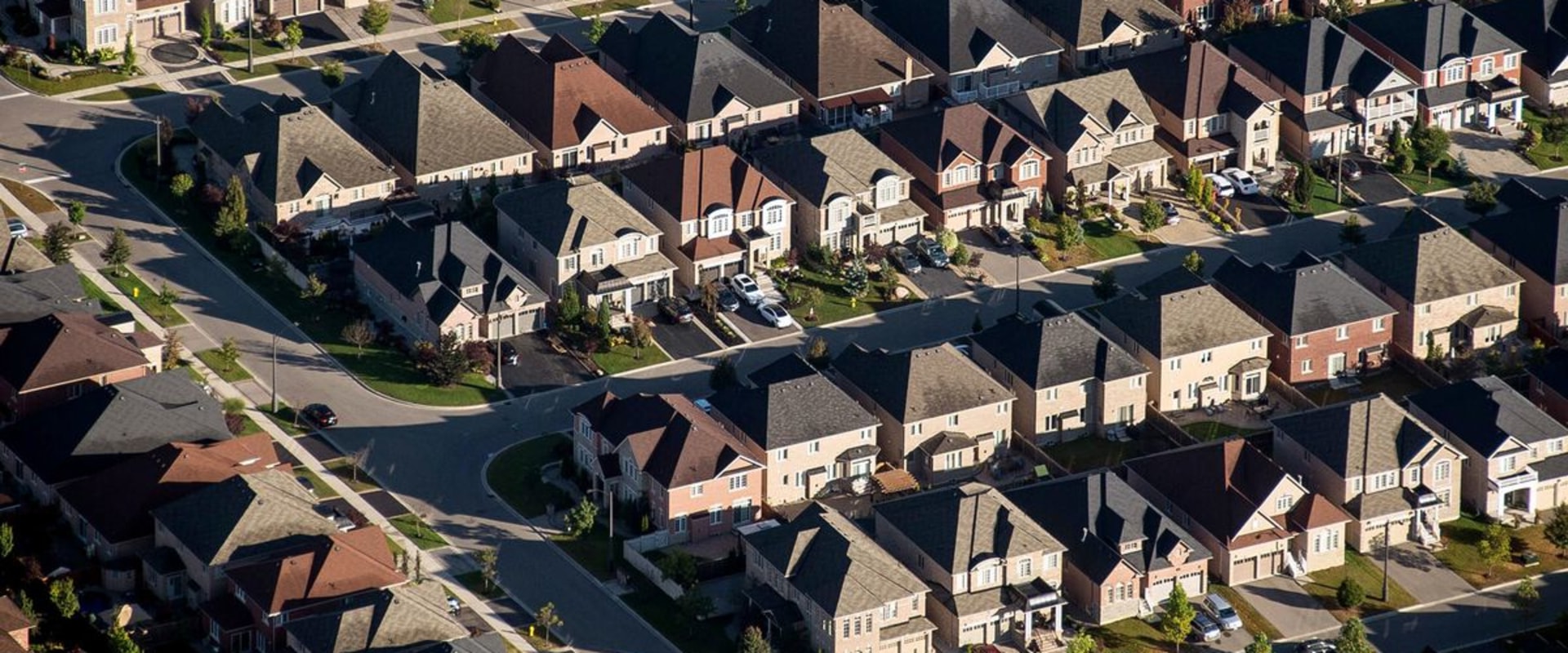
The Toronto real estate market stands as a dynamic and multifaceted landscape, reflecting the city’s economic vitality and cultural diversity. As one of Canada’s most populous cities, Toronto has become a focal point for home buyers, investors, and real estate professionals alike. The significance of understanding home sales in Toronto cannot be overstated, as it provides insights into broader economic trends and the shifting needs of its residents.Over the years, the housing market in Toronto has experienced remarkable fluctuations, influenced by various factors such as population growth, employment rates, and government policies. The influx of new residents seeking opportunities in this bustling metropolis has consistently driven demand for housing, leading to a competitive market where prices can soar.
Additionally, the city’s diverse neighborhoods offer a wide range of options for potential buyers, from luxurious downtown condos to charming suburban homes.Moreover, external factors such as interest rates and foreign investment have played a crucial role in shaping the historical housing prices in Toronto. For instance, the introduction of measures like the foreign buyer tax aimed to cool down the market and make homeownership more accessible for local residents. Understanding these elements is essential for anyone looking to navigate the complexities of buying or selling property in this vibrant city.As we delve deeper into the historical trends of Toronto's housing prices, it becomes evident that this market is not just about numbers; it reflects the aspirations and challenges faced by its inhabitants. By examining past patterns and current dynamics, we can gain valuable insights that will aid prospective buyers and sellers in making informed decisions in an ever-evolving real estate landscape.
Overview of Historical Housing Prices in Toronto
The historical housing prices in Toronto reflect a dynamic and evolving market influenced by various economic, social, and political factors.Over the decades, the city has experienced significant fluctuations in home prices, driven by demand, supply, and external influences.In the early 1980s, Toronto's housing market was characterized by relatively affordable prices. The average price of a detached home hovered around $100,000. However, as the city began to grow and attract more residents, prices started to rise steadily. By the end of the decade, the average price for a detached home had increased to approximately $200,000 .The 1990s brought about a period of economic uncertainty, which temporarily slowed down the growth of housing prices.
The average price for a detached home fluctuated between $250,000 and $300,000 during this time. However, as the economy recovered in the late 1990s and early 2000s, demand surged once again.By the early 2000s, Toronto's real estate market was on an upward trajectory. In 2001, the average price of a detached home reached around $286,000 , while condominiums were priced at approximately $228,000. This period marked the beginning of a significant boom in housing prices that would continue for nearly two decades.As we moved into the 2010s, Toronto's housing market saw unprecedented growth.
By 2019, the average price of a detached home had skyrocketed to over $1 million , with condominiums also experiencing substantial increases in value. This surge was fueled by factors such as low interest rates, foreign investment, and a growing population seeking housing in urban areas.However, in response to rising concerns about affordability and accessibility in the housing market, the Ontario government implemented measures such as the foreign buyer tax in 2017. This intervention aimed to cool down the market and stabilize prices. Following these changes, there was a noticeable shift; by late 2019, average prices began to decline slightly.Today, Toronto remains one of Canada’s most expensive cities for real estate. The average price for a detached home is now close to $1.3 million , while condominiums have also seen significant appreciation.
The variance in pricing across different neighborhoods is stark; affluent areas can command prices well above $2 million , while more affordable neighborhoods still offer options under $500,000 .Understanding these historical trends is crucial for potential buyers and investors looking to navigate Toronto's complex real estate landscape. By analyzing past price movements and current market conditions, stakeholders can make informed decisions that align with their financial goals.
Factors Influencing Housing Prices in Toronto
Understanding the factors that influence housing prices in Toronto is crucial for anyone looking to navigate the real estate market. Several key elements contribute to the fluctuations in home prices, including economic growth, population dynamics, and government policies.Economic Growth
Toronto's economy has consistently shown resilience and growth, which directly impacts housing demand. As one of Canada’s economic powerhouses, the city attracts a multitude of businesses and industries, leading to job creation and increased income levels.
This economic vitality encourages more individuals and families to seek housing in the area, thereby driving up demand and, consequently, prices.
Population Changes
The population of Toronto has been on a steady rise, fueled by both domestic migration and international immigration. The influx of new residents contributes to a heightened demand for housing. According to Statistics Canada, Toronto's population grew by over 6% from 2016 to 2021, with many newcomers seeking affordable housing options. This surge in population not only increases competition for available homes but also influences the types of properties that are in demand.
Supply Constraints
While demand continues to grow, the supply of available homes has not kept pace.
Various factors contribute to this supply constraint:
- Geographical Limitations: Toronto's urban sprawl is limited by natural boundaries such as Lake Ontario and the Greenbelt, restricting the amount of land available for new developments.
- Zoning Regulations: Stringent zoning laws can hinder the construction of new residential properties, particularly multi-family units that could alleviate some of the pressure on the housing market.
- Construction Costs: Rising costs associated with construction materials and labor can deter developers from building new homes, further exacerbating supply issues.
Government Policies
Government interventions also play a significant role in shaping Toronto's housing market. Policies such as the foreign buyer tax implemented in 2017 aimed to cool down the market by discouraging non-resident investors from purchasing properties. While this policy had a temporary effect on price growth, it also highlighted how sensitive the market is to regulatory changes. Additionally, initiatives aimed at increasing affordable housing stock are crucial for addressing long-term supply issues.In summary, the interplay between economic growth, population changes, supply constraints, and government policies creates a complex landscape for housing prices in Toronto.
Understanding these factors is essential for potential buyers and investors looking to make informed decisions in this dynamic market.
Impact of Economic Events on Home Sales in Toronto
The housing market in Toronto is intricately linked to various economic events, which can significantly influence home sales and pricing trends. Understanding these connections is crucial for potential buyers and investors looking to navigate the complexities of the real estate landscape.Historically, major economic events such as recessions and periods of economic growth have had profound impacts on the Toronto housing market. For instance, during the 2008 financial crisis, the Canadian economy faced a downturn that led to a temporary decline in home sales. The uncertainty surrounding job security and financial stability caused many potential buyers to hesitate, resulting in a noticeable slowdown in transactions.In contrast, periods of economic boom often correlate with increased demand for housing.The early 2010s saw a robust economic recovery in Canada, particularly in Toronto, where job growth and population influx drove up demand for homes. This surge in demand led to rising prices, with many buyers eager to invest in real estate as a means of securing their financial future.Moreover, government policies and interest rates play a pivotal role in shaping the housing market. For example, when interest rates are low, borrowing becomes more affordable, encouraging more individuals to enter the market. This was evident in the years following the 2015 rate cuts by the Bank of Canada, which spurred a significant increase in home sales across Toronto.Conversely, when economic uncertainty looms—such as during trade disputes or global crises—potential buyers may adopt a wait-and-see approach.
This was particularly evident during the onset of the COVID-19 pandemic in 2020, where initial fears led to a temporary dip in home sales. However, as the market adjusted and adapted to new realities, sales rebounded sharply due to pent-up demand and changing lifestyle preferences.In summary, the interplay between economic events and the Toronto housing market is complex and multifaceted. Recessions can lead to decreased home sales and price stagnation, while economic booms typically drive demand and increase prices. Understanding these dynamics is essential for anyone looking to make informed decisions in Toronto's ever-evolving real estate landscape.
The Role of Government Policies in Shaping the Market
Government policies play a crucial role in shaping the housing market in Toronto, influencing everything from home sales to pricing trends.Various interventions, including taxes and regulations, have been implemented to address the challenges faced by both buyers and sellers in this dynamic market.One of the most significant measures introduced in recent years is the foreign buyer tax , implemented in April 2017. This policy was designed to curb the influx of foreign investment in Toronto's real estate market, which many believed was driving up prices and making homeownership less accessible for local residents. The tax imposed a 15% levy on foreign buyers purchasing residential properties in the Greater Golden Horseshoe area. Following its introduction, there was a noticeable cooling effect on the market, with a decline in home sales and a stabilization of prices in certain segments.However, the impact of the foreign buyer tax has been a topic of debate. While it succeeded in reducing foreign investment temporarily, some experts argue that it did not address the underlying issues of supply and demand that continue to plague the Toronto housing market.
The city has seen a persistent shortage of available homes, which keeps prices high despite fluctuations in sales activity.In addition to the foreign buyer tax, other government regulations have also influenced the housing landscape. For instance, rent control measures have been enacted to protect tenants from excessive rent increases. While these policies aim to provide stability for renters, they can inadvertently discourage new investments in rental properties, leading to a decrease in available rental units over time.Moreover, zoning laws and land-use regulations significantly affect how and where new developments can occur. In Toronto, strict zoning regulations can limit the construction of new housing units, exacerbating the existing supply crisis.
As demand continues to outpace supply, these regulatory constraints can lead to increased competition for available homes, further driving up prices.Overall, government policies are essential in shaping Toronto's housing market. While measures like the foreign buyer tax and rent control aim to create a more balanced environment for homebuyers and renters alike, they also highlight the complexities of addressing housing affordability and availability. As Toronto continues to grow and evolve, ongoing adjustments to these policies will be necessary to ensure that the housing market remains accessible for all residents.
Neighborhood Variations in Housing Prices
Toronto's housing market is characterized by significant variations in prices across its diverse neighborhoods. Understanding these differences is crucial for potential buyers, investors, and anyone interested in the real estate landscape of the city.Factors such as location, amenities, and local demographics play a pivotal role in determining the price of homes in various areas.
High-End Neighborhoods
- Yorkville: Known for its luxury boutiques and fine dining, Yorkville boasts some of the highest real estate prices in Toronto. Detached homes can easily exceed $3 million, while condominiums often start around $1 million.
- Rosedale: This affluent neighborhood is famous for its historic homes and lush greenery. The average price for a detached home here can reach upwards of $2 million, making it a prime location for wealthy buyers.
Mid-Range Neighborhoods
- Leslieville: Once an industrial area, Leslieville has transformed into a trendy neighborhood with a vibrant community. The average home price here is around $1 million, appealing to young families and professionals.
- The Beaches: Known for its waterfront access and family-friendly atmosphere, The Beaches offers homes averaging around $1.2 million.
Its proximity to parks and schools makes it a desirable location for families.
Affordable Neighborhoods
- Scarborough: This area offers more affordable housing options, with average prices for detached homes around $800,000. Scarborough's diverse community and access to public transit make it an attractive choice for first-time buyers.
- Eglinton West: With ongoing development projects and improving infrastructure, Eglinton West presents opportunities for affordable housing. Prices here can start as low as $600,000 for smaller homes, making it a viable option for budget-conscious buyers.
- Proximity to Downtown: Areas closer to the city center typically command higher prices due to their accessibility to employment opportunities and amenities.
- School Districts: Neighborhoods with reputable schools often see increased demand from families, driving up home prices.
- Amenities and Services: Access to parks, shopping centers, and public transportation can significantly impact housing prices. Neighborhoods with well-developed amenities tend to attract higher bids from buyers.
Whether seeking luxury or affordability, potential buyers should consider these factors when exploring their options in this dynamic city.
Future Predictions for Toronto's Housing Market
As we look ahead to the future of Toronto's housing market, several key indicators and historical trends can provide valuable insights into what potential buyers, sellers, and investors might expect in the coming years. The interplay of economic factors, demographic shifts, and government policies will play a crucial role in shaping the market.Economic Growth and Employment Opportunities
Toronto's economy has consistently shown resilience and growth, driven by a diverse range of industries including technology, finance, and healthcare. As employment opportunities continue to expand, the demand for housing is likely to remain strong. The influx of skilled workers from both domestic and international sources will further fuel this demand, particularly in urban areas where job prospects are most abundant.
Population Growth and Urbanization
The Greater Toronto Area (GTA) is projected to experience significant population growth over the next decade.
According to Statistics Canada, the population is expected to increase by over a million residents by 2030. This surge will intensify the competition for housing, particularly in desirable neighborhoods. As more people move to Toronto for its vibrant lifestyle and economic opportunities, the pressure on home sales will likely escalate.
Government Policies and Regulations
Government interventions, such as interest rate adjustments and housing policies aimed at curbing speculation, will also impact future home sales in Toronto. The Bank of Canada’s monetary policy decisions regarding interest rates will directly influence mortgage rates, affecting affordability for potential buyers.
Additionally, any new regulations targeting foreign investment or rental properties could reshape market dynamics.
Technological Advancements in Real Estate
The rise of technology in real estate transactions is another factor that could influence future trends. Innovations such as virtual tours, blockchain for property transactions, and AI-driven market analysis tools are making it easier for buyers to navigate the market. These advancements may lead to quicker sales cycles and more informed purchasing decisions.
Market Outlook for 2024
Considering these factors, predictions for home sales in Toronto suggest a continued upward trajectory in prices, albeit at a potentially moderated pace compared to the explosive growth seen in previous years. Analysts anticipate that while prices may stabilize due to increased supply from new developments and government measures aimed at improving affordability, demand will still outstrip supply in many areas.In conclusion, while the future of Toronto's housing market presents challenges such as affordability and regulatory changes, the underlying demand driven by economic growth and population increases suggests that home sales will remain robust.
Buyers should stay informed about these trends to make strategic decisions in this dynamic market.
FAQs About Home Sales in Toronto
When considering home sales in Toronto, potential buyers often have numerous questions. This section aims to address some of the most frequently asked questions to provide clarity and assist those looking to navigate the Toronto real estate market.What is the average price of a home in Toronto?
The average price of a home in Toronto can vary significantly based on the type of property and its location. As of recent data, the average price for a detached home is approximately $1.5 million, while condominiums tend to average around $700,000. However, these figures can fluctuate based on market conditions and specific neighbourhoods.How do I determine my budget for buying a home?
Determining your budget involves assessing your financial situation, including your income, savings, and any existing debts.It’s advisable to get pre-approved for a mortgage, which will give you a clearer picture of how much you can afford. Additionally, consider other costs such as property taxes, maintenance fees, and closing costs.
What are the best neighbourhoods for first-time homebuyers?
First-time homebuyers may want to explore areas that offer more affordable housing options while still providing access to amenities and public transportation. Some popular neighbourhoods include:- East York: Known for its family-friendly atmosphere and parks.
- Scarborough: Offers diverse communities and relatively lower prices.
- Yorkville: A vibrant area with a mix of luxury and more affordable options.
What should I look for during a home inspection?
A thorough home inspection is crucial before finalizing any purchase. Key areas to focus on include:- Roof condition: Check for leaks or damage.
- Foundation issues: Look for cracks or signs of settling.
- Plumbing and electrical systems: Ensure they are up to code and functioning properly.
Are there any government programs available for first-time buyers?
Yes, the Canadian government offers several programs aimed at assisting first-time homebuyers.These include the First-Time Home Buyer Incentive, which helps reduce monthly mortgage payments, and the Home Buyers' Plan (HBP), allowing individuals to withdraw from their RRSPs to purchase a home without immediate tax implications.Understanding these aspects can significantly ease the process of buying a home in Toronto. By addressing these common questions, potential buyers can feel more informed and confident as they enter this dynamic market.
Conclusion: Understanding Historical Trends for Informed Decisions
In summary, the historical housing price trends in Toronto reveal a complex and dynamic real estate market that has undergone significant transformations over the years. Understanding these trends is crucial for potential buyers, sellers, and investors who wish to navigate the intricacies of the Toronto housing landscape effectively.Throughout this article, we have explored various factors that have influenced home sales in Toronto , including economic growth, population influx, and government interventions such as the foreign buyer tax. These elements have played a pivotal role in shaping the trajectory of housing prices, leading to both rapid increases and periods of stabilization.One of the most striking observations is the consistent rise in average home prices since the early 2000s.For instance, the average price of detached homes has more than doubled from $286,000 in 2001 to approximately $639,000 by 2019. This trend underscores the strong demand for housing in Toronto, driven by a robust economy and a growing population.However, it is essential to recognize that not all neighborhoods in Toronto experience the same price dynamics. The variance in housing prices across different areas highlights the importance of localized research. Buyers should consider factors such as neighborhood amenities, school districts, and future development plans when making their decisions.Moreover, understanding historical trends equips potential buyers with valuable insights into market cycles. Recognizing when to buy or sell can significantly impact financial outcomes.
For instance, while recent years have shown signs of price stabilization following the introduction of the foreign buyer tax, it remains crucial for buyers to stay informed about ongoing market conditions and economic indicators.In conclusion, a thorough understanding of historical housing price trends in Toronto not only aids in making informed decisions but also empowers buyers and investors to anticipate future market movements. By analyzing past performance and current conditions, stakeholders can better position themselves to capitalize on opportunities within this vibrant real estate market.