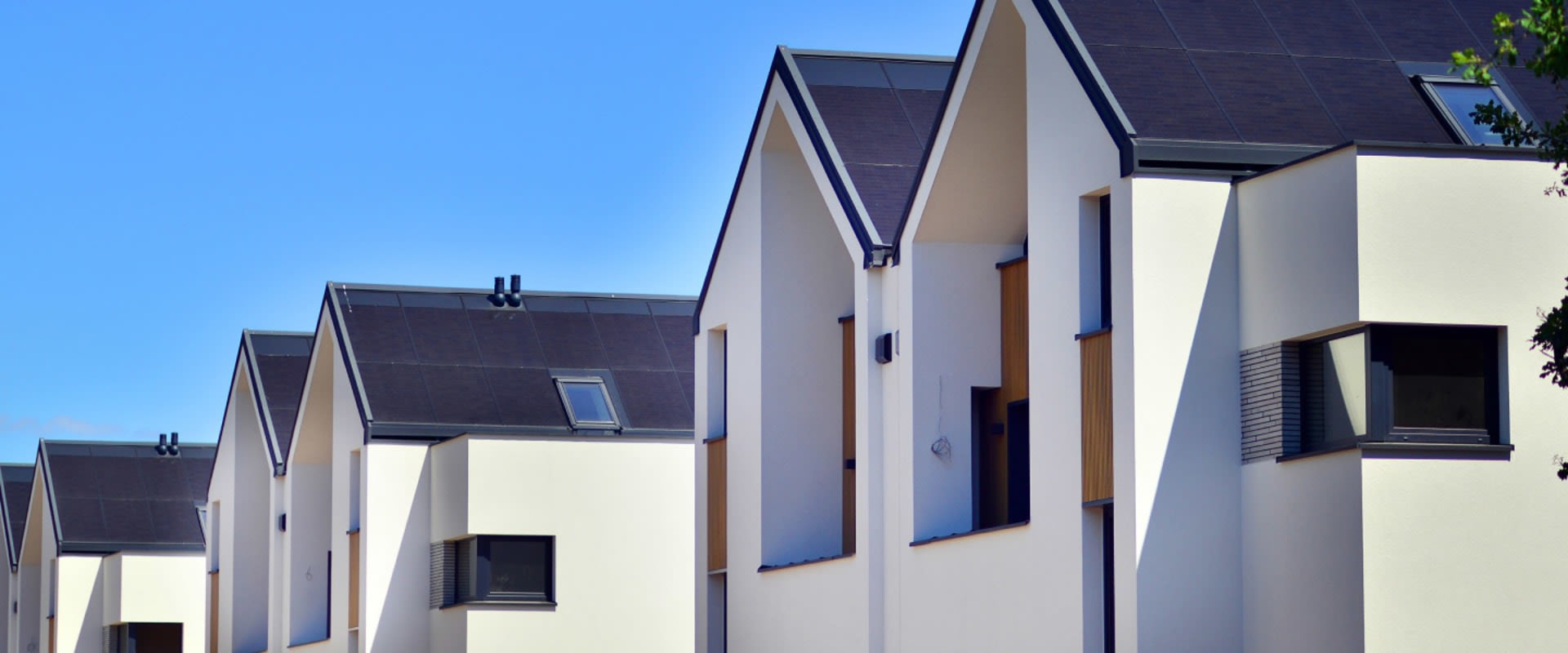
The real estate landscape in North York, a vibrant district within Toronto, is a dynamic and multifaceted environment that reflects broader trends in the city’s housing market. As one of the most populous areas in Toronto, North York has become a focal point for home buyers and investors alike, drawn by its diverse neighborhoods, excellent amenities, and proximity to downtown. The significance of home sales in Toronto cannot be overstated, as they not only influence local economies but also shape the living experiences of residents.In recent years, North York has witnessed a surge in demand for residential properties, driven by factors such as population growth, urban development, and changing lifestyle preferences. The area boasts a mix of housing options, from single-family homes to modern condominiums, catering to a wide range of buyers.
This variety is essential in understanding the current state of the market and its future trajectory. As we delve deeper into the intricacies of North York's real estate market, it becomes clear that several elements are at play—economic conditions, government policies, and demographic shifts all contribute to shaping the landscape.Looking ahead, predictions for North York's real estate market suggest a continuation of these trends. With ongoing urbanization and an influx of new residents seeking affordable housing options, the demand for properties is expected to remain robust. This section will explore these future predictions in detail, providing insights into how potential buyers and investors can navigate this evolving market.
By understanding the current dynamics and anticipating future changes, stakeholders can make informed decisions that align with their real estate goals.
Current Trends in North York's Real Estate Market
The real estate landscape in North York is currently characterized by a series of dynamic trends that are shaping the market for both buyers and investors. Understanding these trends is essential for making informed decisions in a rapidly evolving environment.Home Prices
Recent data indicates that home prices in North York have been on an upward trajectory. The average price for residential properties has seen a consistent increase, driven by several factors:
- High Demand: The demand for homes in North York remains robust, fueled by a growing population and the area's appeal as a desirable place to live. This demand is particularly strong among families and young professionals seeking proximity to downtown Toronto.
- Limited Supply: The inventory of available homes has not kept pace with demand, leading to competitive bidding situations.
This scarcity of listings often results in higher prices as buyers are willing to pay a premium for desirable properties.
- Luxury Market Growth: There has been a noticeable increase in luxury condominiums and upscale townhouses, which has contributed to the overall rise in average home prices. These high-end properties attract affluent buyers looking for modern amenities and prime locations.
Rental Rates
In addition to home sales, rental rates in North York have also experienced fluctuations. While some areas have seen a decrease in rental prices due to an oversupply of rental units, others remain competitive:
- Increased Inventory: The influx of new apartment developments has led to a greater availability of rental units. However, this has not uniformly translated into lower prices across all neighborhoods.
- Demand for Rentals: Despite some decreases, there is still significant demand for rental properties, particularly among students and young professionals who prefer renting over buying.
This demand can keep rental rates stable in sought-after areas.
- Market Adjustments: Landlords may need to adjust their pricing strategies to remain competitive, especially as more options become available to renters. This could lead to more flexible lease terms and incentives for potential tenants.
Diverse Property Types
The types of properties available in North York are also evolving. Buyers can find a diverse range of options, from single-family homes to modern condominiums:
- Single-Family Homes: Traditional homes continue to be popular among families looking for space and community amenities.
- Condos and Townhouses: The rise of urban living has led to an increase in the availability of condominiums and townhouses, appealing to those seeking low-maintenance lifestyles.
- Investment Opportunities: Investors are increasingly looking at multi-family units and mixed-use developments as viable options for generating rental income.
Factors Influencing Future Home Sales in North York
The future of home sales in North York is influenced by a multitude of factors that intertwine economic conditions, demographic shifts, and government policies.Understanding these elements is crucial for potential buyers, sellers, and investors looking to navigate the real estate landscape effectively.
Economic Conditions
The overall economic climate plays a significant role in shaping the real estate market. Factors such as employment rates, interest rates, and inflation can directly impact home sales. For instance, a robust job market in North York can lead to increased consumer confidence, prompting more individuals to invest in property. Conversely, if the economy faces downturns or uncertainty, potential buyers may hesitate to make significant financial commitments.Additionally, interest rates set by the Bank of Canada are pivotal.
Lower interest rates typically encourage borrowing, making mortgages more affordable and stimulating home sales. However, if rates rise significantly, it could dampen demand as monthly payments become less manageable for buyers.
Demographic Shifts
North York's demographic landscape is evolving, with an influx of younger professionals and families seeking housing options. This shift is driven by the area's proximity to employment hubs and its diverse community amenities. As millennials and Gen Z enter the housing market, their preferences for urban living and sustainable housing options will shape future developments.Moreover, the aging population in North York may influence the types of properties in demand.
There could be a growing need for accessible housing options that cater to seniors, such as bungalows or retirement communities. Understanding these demographic trends will be essential for developers and investors aiming to meet market needs.
Government Policies
Government interventions can significantly impact the real estate market. Recent initiatives aimed at increasing housing affordability—such as rent control measures or incentives for first-time homebuyers—can alter buyer behavior and market dynamics. For example, programs designed to assist first-time buyers may lead to increased competition among buyers, driving up home prices.Furthermore, zoning laws and development regulations can affect the supply of new homes in North York.
If local governments prioritize high-density developments or mixed-use projects, this could lead to a more diverse housing stock that meets varying consumer demands.In conclusion, the interplay of economic conditions, demographic shifts, and government policies will continue to shape the future of home sales in North York. By staying informed about these factors, stakeholders can make strategic decisions that align with market trends.
Impact of Economic Conditions on North York's Real Estate Market
The real estate market in North York is intricately linked to broader economic conditions, making it essential for potential buyers, sellers, and investors to understand these dynamics. Economic factors such as inflation, employment rates, and overall economic growth play a significant role in shaping the housing landscape.Inflation
is one of the most pressing concerns affecting the real estate market. As inflation rises, the cost of living increases, which can lead to higher interest rates.
When interest rates climb, borrowing becomes more expensive for potential homebuyers. This can result in a slowdown in home sales in Toronto, as buyers may be deterred by higher mortgage payments. Consequently, a decrease in demand can lead to stagnation or even a decline in property prices.Moreover, inflation can also impact rental prices. As landlords face increased costs for maintenance and property management due to inflationary pressures, they may pass these costs onto tenants through higher rents.
This situation can create a challenging environment for renters in North York, where affordability is already a concern.
Employment rates
are another critical factor influencing the North York real estate market. A robust job market typically leads to increased consumer confidence and spending power. When employment rates are high, more individuals are likely to consider purchasing homes, driving demand and potentially pushing prices upward. Conversely, if unemployment rises, it can lead to decreased demand for housing as fewer people are willing or able to make significant financial commitments.Additionally, the overall economic growth of Toronto and its surrounding areas plays a vital role in shaping the real estate market.
A thriving economy attracts new businesses and residents, which can lead to increased demand for housing. In contrast, economic downturns can result in reduced investment and migration patterns that negatively impact home sales.In summary, understanding the interplay between economic conditions and the North York real estate market is crucial for making informed decisions. By keeping an eye on inflation trends and employment statistics, stakeholders can better navigate the complexities of buying or selling property in this vibrant area.
Government Policies and Their Effects on Home Sales
In recent years, the government has implemented several initiatives aimed at improving housing affordability in Toronto, which directly impacts the North York real estate market. Understanding these policies is crucial for prospective buyers and investors looking to navigate the evolving landscape of home sales in this vibrant area.One of the most significant initiatives is the introduction of rent-to-own programs.These programs are designed to assist first-time homebuyers who may struggle to save for a down payment. By allowing renters to gradually build equity in a property while living in it, these programs provide a pathway to homeownership that was previously inaccessible for many. This approach not only helps individuals achieve their dream of owning a home but also stimulates demand in the North York market, as more people are likely to consider purchasing homes rather than renting.Additionally, the Ontario government has introduced various policies aimed at increasing the supply of affordable housing. For instance, measures such as zoning reforms and incentives for developers to build affordable units can lead to a more balanced market.
These policies are essential in addressing the growing demand for housing in North York, where prices have been steadily rising due to limited inventory.Moreover, the City of Toronto has launched initiatives focused on housing affordability , including funding for non-profit housing projects and support for community land trusts. These efforts aim to create sustainable and affordable housing options that cater to low- and moderate-income families. As these projects come to fruition, they are expected to alleviate some pressure on the housing market, potentially stabilizing prices and making homeownership more attainable.It is also important to consider how these government policies may influence investor behavior. With an increasing number of affordable housing options becoming available, investors may shift their focus towards properties that align with these initiatives.
This could lead to a diversification of investment strategies within the North York real estate market.In conclusion, government policies play a pivotal role in shaping the future of home sales in North York. By promoting affordable housing and facilitating pathways to ownership through innovative programs like rent-to-own, these initiatives not only benefit individual buyers but also contribute to a healthier real estate market overall. As prospective buyers and investors stay informed about these developments, they can make strategic decisions that align with the evolving landscape of North York's real estate sector.
Predictions for Home Prices in North York
As we look ahead to the future of the North York real estate market, several factors will play a crucial role in determining home prices. Understanding these elements can provide valuable insights for potential buyers and investors alike.Current Market Dynamics
The North York housing market has shown resilience in the face of economic fluctuations.
Recent data indicates that home prices have been on a steady upward trajectory, driven by a combination of high demand and limited supply. This trend is expected to continue as the population of Toronto grows, further intensifying the competition for available properties.
Predictions for Home Prices
Based on current trends, it is anticipated that home prices in North York will experience moderate growth over the next few years. Analysts predict an annual increase of approximately 3% to 5%, depending on specific neighborhoods and property types. Areas with new developments and improved amenities are likely to see even higher appreciation rates.
Factors Influencing Price Growth
- Population Growth: The influx of new residents into North York is a significant driver of demand.
As more people seek housing in this vibrant community, competition will push prices higher.
- Economic Development: The ongoing development of commercial and retail spaces enhances the attractiveness of North York, making it a desirable location for families and professionals alike.
- Government Policies: Initiatives aimed at increasing housing affordability, such as the rent-to-own program, may influence market dynamics by providing more options for first-time buyers.
Investment Opportunities
For investors, North York presents a promising landscape. With stable price growth and a strong rental market, purchasing properties in this area can yield significant returns. Investors should focus on emerging neighborhoods where development is underway, as these areas are likely to see substantial appreciation in property values.In conclusion, while predicting exact home prices can be challenging, the overall outlook for North York remains positive. By staying informed about market trends and understanding the factors at play, buyers and investors can make strategic decisions that align with their financial goals.
The Rental Market Outlook in North York
The rental market in North York is poised for significant changes in the coming years, driven by various factors including population growth, economic conditions, and evolving tenant preferences.Understanding these trends is essential for both landlords and renters as they navigate this dynamic landscape.
Current Trends in the North York Rental Market
As of now, North York has been experiencing a steady increase in rental prices. This trend can be attributed to a combination of high demand and limited supply. The area’s appeal, bolstered by its proximity to downtown Toronto and a variety of amenities, continues to attract new residents. Consequently, landlords are adjusting their rental rates to reflect this heightened demand.Moreover, the types of rental properties available are diversifying.
While traditional apartments remain popular, there is a noticeable increase in the availability of luxury condominiums and townhouses. These properties often come with modern amenities that cater to the preferences of young professionals and families seeking a higher standard of living.
Predictions for Rental Prices
Looking ahead, rental prices in North York are expected to continue their upward trajectory. Analysts predict that by 2025, average rental rates could rise by as much as 10-15%, depending on the specific neighborhood and property type. Areas that are undergoing significant development or revitalization may see even sharper increases as new amenities and infrastructure attract more tenants.For renters, this means that securing a lease at current rates may be advantageous.
As competition for desirable units intensifies, potential tenants should be prepared to act quickly when they find a suitable property.
Tenant Demand and Preferences
The demand for rental properties in North York is not only driven by newcomers but also by existing residents looking to upgrade or downsize. The influx of young professionals seeking employment opportunities in Toronto has led to an increased interest in rental units that offer convenience and accessibility to public transit.Additionally, there is a growing trend towards flexible living arrangements. Many tenants are now prioritizing features such as home office spaces and communal amenities like co-working areas or fitness centers. Landlords who can adapt their offerings to meet these evolving preferences will likely find greater success in attracting and retaining tenants.In conclusion, the rental market outlook in North York suggests a robust environment characterized by rising prices and shifting tenant demands.
Both landlords and renters must stay informed about these trends to make strategic decisions that align with their goals.
Opportunities and Risks for Investors in North York Real Estate
Investing in real estate in North York presents a unique blend of opportunities and risks that potential investors must carefully consider. As the market continues to evolve, understanding these dynamics is crucial for making informed decisions.Opportunities for Investors
- Growing Demand: North York's population is on the rise, driven by its appeal as a vibrant community with excellent amenities. This growth translates into a steady demand for housing, making it an attractive market for real estate investment.
- Diverse Property Types: Investors can choose from a variety of property types, including single-family homes, condominiums, and multi-family units. This diversity allows investors to tailor their portfolios to meet specific market demands and personal investment strategies.
- Development Projects: Ongoing and upcoming development projects in North York are likely to enhance property values.
Investors can capitalize on these developments by purchasing properties in areas slated for growth, potentially reaping significant returns as the neighborhood improves.
- Rent-to-Own Programs: The introduction of government-backed rent-to-own programs can create new opportunities for investors. These initiatives may attract first-time buyers who are eager to enter the market, thereby increasing demand for rental properties.
Risks in the Real Estate Market
- Market Volatility: Like any real estate market, North York is susceptible to fluctuations. Economic downturns or changes in interest rates can impact property values and rental demand, posing risks for investors.
- Regulatory Changes: Government policies regarding housing can change rapidly. New regulations aimed at increasing affordability or controlling rental prices may affect investor returns and should be monitored closely.
- Over-Saturation: With an influx of new developments, there is a risk of over-saturation in certain segments of the market.
Investors must conduct thorough market research to avoid investing in areas where supply may outstrip demand.
Investor Strategies
To navigate these opportunities and risks effectively, investors should consider the following strategies:
- Diversification: Building a diverse portfolio across different property types and locations within North York can mitigate risks associated with market fluctuations.
- Market Research: Staying informed about local market trends, economic indicators, and demographic shifts will help investors make data-driven decisions.
- Long-Term Perspective: Real estate investment is often most rewarding when approached with a long-term mindset. Investors should be prepared to hold properties through market cycles to maximize returns.
Conclusion: Navigating the Future of North York's Real Estate Market
As we look ahead to the future of North York's real estate market, it is essential to synthesize the insights gathered throughout this analysis. The landscape of home sales in Toronto, particularly in North York, is shaped by a multitude of factors that influence both buyers and sellers.Understanding these dynamics is crucial for anyone looking to navigate this vibrant market.One of the most significant takeaways is the persistent demand for housing in North York. With a growing population and an influx of new businesses, the need for both single-family homes and condominiums is expected to remain robust. This demand is likely to keep prices stable or even drive them higher in certain areas, making it a prime time for potential buyers to consider investing in real estate.Moreover, the rental market is also poised for change. As demand for rental properties increases, landlords may raise their rates, which could impact renters significantly.
Those looking to rent should be prepared for potential competition and rising costs, emphasizing the importance of acting swiftly when suitable properties become available.Additionally, government initiatives aimed at increasing housing affordability could reshape the market landscape. Programs such as rent-to-own schemes may provide new opportunities for first-time buyers, allowing them to enter the market more easily. Staying informed about these developments will be vital for anyone considering a real estate transaction.In conclusion, navigating the future of North York's real estate market requires vigilance and adaptability. By keeping abreast of current trends and understanding how various factors—such as economic conditions, government policies, and demographic shifts—affect home sales in Toronto, stakeholders can make informed decisions that align with their goals.
Whether you are a buyer, seller, renter, or investor, being proactive and well-informed will empower you to seize opportunities as they arise in this ever-evolving market.