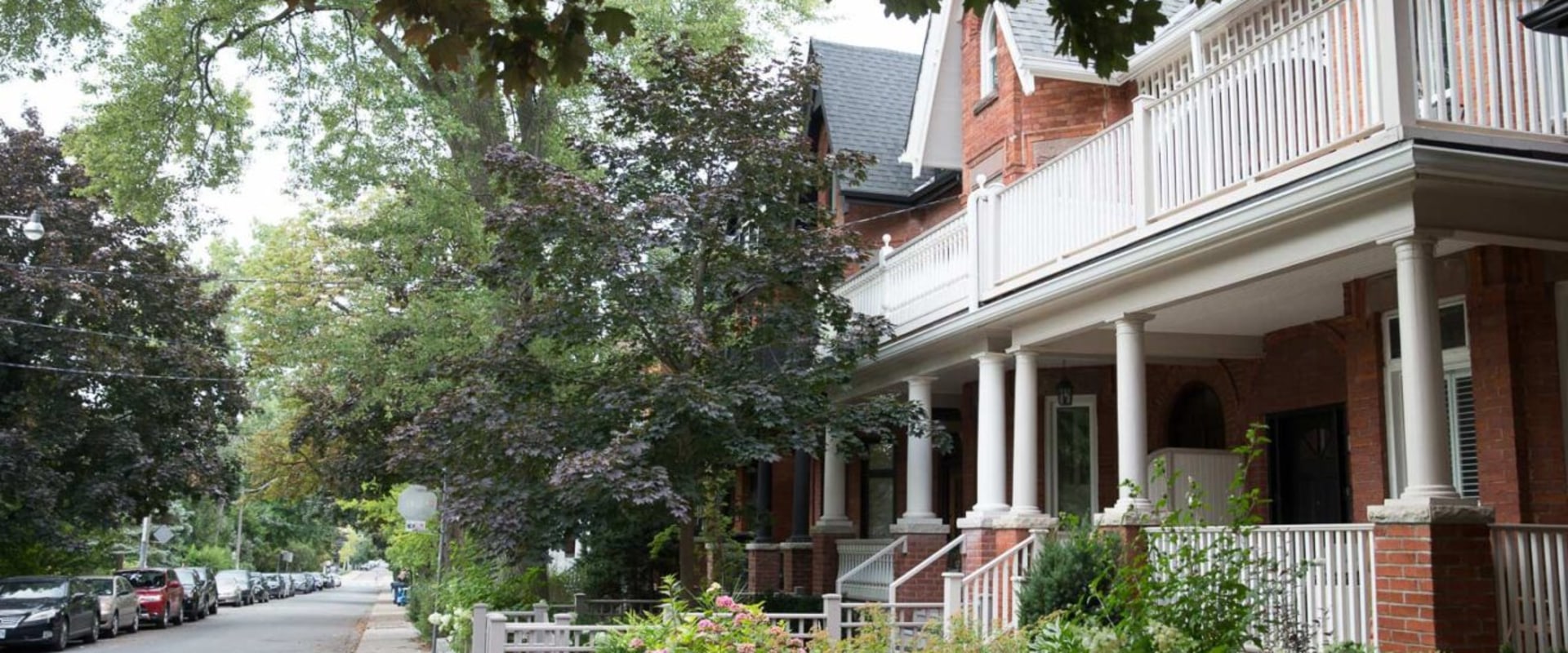
The Toronto real estate market is a dynamic and ever-evolving landscape that reflects the city's growth, diversity, and economic vitality. As one of Canada’s largest urban centers, Toronto attracts a wide range of buyers, from first-time homeowners to seasoned investors. Understanding the current state of home sales in Toronto is essential for anyone considering purchasing a property in this vibrant city. With fluctuating prices and varying demand across neighborhoods, potential buyers must stay informed about market trends to make educated decisions.In recent years, the Toronto real estate market has experienced significant shifts.
Average home prices have seen both peaks and valleys, influenced by factors such as interest rates, government policies, and demographic changes. For instance, the introduction of measures aimed at cooling the market has led to a temporary slowdown in price growth, making it a crucial time for buyers to enter the market. Additionally, the ongoing demand for housing in Toronto continues to be driven by its robust job market and the influx of newcomers seeking opportunities in various sectors.Moreover, understanding the nuances of different neighborhoods is vital when buying a house in Toronto. Each area offers unique characteristics, amenities, and price points that cater to diverse lifestyles and preferences.
From the bustling streets of downtown to the serene suburbs, potential buyers should consider not only their budget but also their long-term goals and lifestyle needs. By analyzing current trends in home sales and average prices across various neighborhoods, buyers can better position themselves to find a property that meets their criteria.As you embark on your journey to purchase a home in Toronto, being well-versed in the intricacies of the local real estate market will empower you to navigate this competitive environment with confidence. Whether you are looking for a cozy condo or a spacious family home, understanding these key elements will help you make informed choices that align with your financial goals and personal aspirations.
Setting Your Budget: What You Need to Know
Establishing a realistic budget is a crucial step in the home buying process, especially in a competitive market like Toronto. Understanding the various costs associated with purchasing a home will help you avoid financial strain and ensure that you make informed decisions.1.Down Payment
The down payment is typically the largest upfront cost when buying a home.
In Canada, the minimum down payment is:
- 5% for homes priced up to $500,000
- 10% for the portion of the home price between $500,000 and $999,999
- 20% for homes priced at $1 million or more
2.Closing Costs2.Closing Costs
Closing costs can add an additional 1.5% to 4% of the purchase price of your home. These costs may include:
- Legal fees
- Title insurance
- Home inspection fees
- Property transfer tax (which varies by municipality)
- Adjustments for property taxes and utilities
3.Ongoing Expenses
Once you’ve purchased your home, there are ongoing expenses that you need to consider:
- Mortgage Payments: Your monthly mortgage payment will depend on your loan amount, interest rate, and term.
- Property Taxes: These can vary widely based on location and property value.
- Utilities: Budget for electricity, water, gas, and internet services.
- Maintenance and Repairs: Set aside funds for regular maintenance and unexpected repairs.
- Home Insurance: Protecting your investment with adequate insurance coverage is essential.
4.Creating Your Budget
Create a detailed budget that includes all these costs. Use online calculators to estimate your mortgage payments and consult with financial advisors or real estate professionals to ensure you have a comprehensive understanding of what you can afford. This proactive approach will help you navigate the Toronto housing market with confidence.
Choosing the Right Neighborhood
Choosing the right neighborhood is a crucial step in the home-buying process, especially in a vibrant city like Toronto.The neighborhood you select will significantly impact your lifestyle, daily commute, and overall satisfaction with your new home. Here are some key factors to consider when evaluating potential neighborhoods:
- Proximity to Work: Consider how far you are willing to commute to work. Toronto's public transit system is extensive, but living closer to your workplace can save you time and reduce stress. Research neighborhoods that offer convenient access to subway stations or major bus routes.
- Schools and Education: If you have children or plan to in the future, the quality of local schools is paramount.
Investigate the school districts in various neighborhoods and look for ratings and reviews online. Areas with reputable schools often have higher property values and can be more desirable for families.
- Amenities and Services: Think about what amenities are important to you. Do you prefer being near parks, grocery stores, restaurants, or cultural attractions? Toronto is known for its diverse offerings, so make a list of must-have amenities and see which neighborhoods meet your criteria.
- Safety and Community: Safety is a top priority for many homebuyers. Research crime rates in different neighborhoods through local police department websites or community forums.
Additionally, consider the sense of community in each area; some neighborhoods may have active community groups or events that foster a welcoming atmosphere.
- Future Development: Investigate any planned developments or infrastructure projects in the area. Neighborhoods undergoing revitalization may offer great investment opportunities but could also come with temporary inconveniences during construction.
By prioritizing factors such as commute times, school quality, available amenities, safety, and future growth potential, you can ensure that your new home will be a place where you feel comfortable and happy for years to come.
Types of Homes Available in Toronto
Toronto's real estate market is as diverse as its population, offering a wide range of housing options to suit various lifestyles and budgets. Understanding the different types of homes available can significantly impact your decision-making process when searching for the perfect property.Detached Houses
Detached houses are standalone properties that offer privacy and space, making them a popular choice for families. These homes typically come with their own yards, providing outdoor space for children to play or for gardening enthusiasts. In Toronto, detached homes can vary greatly in style, from charming Victorian houses in areas like Cabbagetown to modern builds in the suburbs.However, they often come with a higher price tag compared to other types of homes.
Semi-Detached Homes
Semi-detached homes share one wall with another property but still provide a sense of independence. They are an excellent option for buyers looking for more affordable housing while still enjoying some of the benefits of a detached home. These properties often feature similar layouts to detached houses and can be found in various neighborhoods across Toronto.Townhouses
Townhouses are multi-level homes that are typically part of a row of similar properties. They offer a balance between affordability and space, making them ideal for first-time buyers or those looking to downsize.Townhouses often come with shared amenities such as parks or community centers, fostering a sense of community among residents. In Toronto, you can find townhouses in both urban and suburban settings, each offering unique advantages.
Condominiums
Condominiums, or condos, are a popular choice for those who prefer low-maintenance living. These units are typically part of larger buildings and offer shared amenities such as gyms, pools, and common areas. Condos are particularly appealing to young professionals and retirees who may not require as much space or prefer the convenience of urban living.When considering condos in Toronto, it's essential to evaluate the monthly maintenance fees and the overall health of the condo corporation.
Condo vs House: Making the Right Choice
When deciding between a condo and a house in Toronto, consider your lifestyle needs and financial situation.Condos
often provide access to amenities and a vibrant community atmosphere but may lack the privacy and outdoor space that detached homes offer. On the other hand, owning a house typically involves more maintenance responsibilities but provides greater freedom to customize your living space.Ultimately, understanding the various types of homes available in Toronto will help you align your preferences with your budget and lifestyle. Whether you opt for a spacious detached home or a convenient condo, each option has its unique benefits that cater to different needs.The Importance of Home Inspections
When purchasing a home in Toronto, one of the most critical steps in the buying process is conducting a thorough home inspection.This essential procedure can uncover hidden issues that may not be immediately visible, potentially saving you from costly repairs and future headaches. Understanding the importance of a home inspection can empower you to make a more informed decision about your investment.
Why Get a Home Inspection?
A home inspection serves as a comprehensive evaluation of the property’s condition. It provides insights into various aspects of the home, including:
- Structural Integrity: Inspectors assess the foundation, walls, and roof for any signs of damage or instability.
- Electrical Systems: A thorough check of wiring, outlets, and electrical panels ensures safety and compliance with local codes.
- Plumbing: Inspectors look for leaks, water pressure issues, and the condition of pipes and fixtures.
- HVAC Systems: Heating and cooling systems are evaluated for functionality and efficiency.
- Pest Infestations: Signs of pests such as termites or rodents can be identified during an inspection.
Home Inspection Checklist
To ensure a comprehensive evaluation, it’s beneficial to have a home inspection checklist.
Here are some key areas to include:
- Exterior: Check for cracks in the foundation, condition of siding, roof age, and drainage systems.
- Interior: Look for signs of water damage, mold growth, and the condition of walls and ceilings.
- Kitchens and Bathrooms: Inspect appliances, cabinetry, plumbing fixtures, and ventilation systems.
- Attic and Basement: Assess insulation levels, ventilation, and any signs of moisture or pests.
- Safety Features: Ensure smoke detectors, carbon monoxide detectors, and fire extinguishers are present and functional.
Navigating Financing Options
When it comes to financing a home in Toronto, understanding the various options available is essential for making an informed decision. The right financing can significantly impact your overall budget and long-term financial health.Here’s a breakdown of the key mortgage options and programs that can assist you in your home-buying journey.
Types of Mortgages
In Toronto, buyers typically encounter several types of mortgages:- Fixed-Rate Mortgages: These loans have a consistent interest rate throughout the term, usually ranging from 15 to 30 years. This option provides stability in monthly payments, making it easier to budget.
- Variable-Rate Mortgages: With this type, the interest rate fluctuates based on market conditions. While you may benefit from lower initial rates, there’s a risk of increased payments if rates rise.
- Hybrid Mortgages: A combination of fixed and variable rates, hybrid mortgages allow you to lock in a portion of your loan while keeping the rest variable. This can be a good compromise for those uncertain about future interest rates.
Understanding Interest Rates
The interest rate you secure can greatly affect your monthly payments and the total cost of your mortgage.It’s crucial to shop around and compare rates from different lenders. Factors influencing your interest rate include:
- Your credit score
- The size of your down payment
- The overall economic climate
Government Programs for First-Time Home Buyers
If you’re a first-time home buyer in Toronto, several government programs can ease the financial burden:- First-Time Home Buyer Incentive: This program offers shared equity loans to help reduce monthly mortgage payments without increasing your down payment.
- Home Buyers' Plan (HBP): Allows you to withdraw up to $35,000 from your RRSP tax-free to put towards your home purchase.
- Land Transfer Tax Refunds: First-time buyers may be eligible for refunds on land transfer taxes, which can save thousands when purchasing a home.
Working with Real Estate Agents
When embarking on the journey to purchase a home in Toronto, enlisting the help of a real estate agent can be one of the most beneficial decisions you make. The Toronto housing market is dynamic and can be overwhelming, especially for first-time buyers.A knowledgeable realtor can provide invaluable insights and support throughout the entire process.
Understanding the Market
Real estate agents possess a deep understanding of the local market trends, including pricing, neighborhood dynamics, and upcoming developments. They can help you identify areas that align with your budget and lifestyle preferences. For instance, if you’re looking for a family-friendly neighborhood with good schools, an experienced agent can guide you to the best options based on current listings and future growth potential.
Navigating Listings
With countless listings available, finding the right home can feel like searching for a needle in a haystack. A realtor can streamline this process by filtering properties that meet your specific criteria, saving you time and effort.
They have access to comprehensive databases and can alert you to new listings as soon as they hit the market, ensuring you don’t miss out on potential opportunities.
Negotiation Expertise
One of the most significant advantages of working with a real estate agent is their negotiation skills. They are trained to advocate on your behalf, ensuring that you get the best possible deal. Whether it’s negotiating the price or requesting repairs after a home inspection, having an expert in your corner can make a substantial difference in the outcome of your purchase.
Handling Paperwork
The home buying process involves a considerable amount of paperwork, from offers to closing documents. A realtor will manage these documents efficiently, ensuring that everything is completed accurately and on time.
This attention to detail helps prevent potential legal issues down the line.
Support for First-Time Buyers
If you’re a first-time buyer feeling overwhelmed by the complexities of home sales in Toronto, working with a real estate agent can provide peace of mind. They will walk you through each step of the process, from securing financing to closing on your new home. Their guidance can help demystify the experience and empower you to make informed decisions.In conclusion, partnering with a qualified real estate agent not only simplifies your home buying journey but also enhances your chances of finding the perfect property in Toronto’s competitive market. Their expertise is an asset that can lead to a successful and satisfying home purchase experience.
Making an Offer: Strategies and Tips
When it comes to making an offer on a house in Toronto, understanding the local market dynamics is crucial, especially in a city known for its competitive real estate landscape.Here are some effective strategies to help you navigate this process successfully.
Understand the Market
Before making an offer, take the time to research the current market conditions. Are homes selling quickly? Are there multiple offers on properties? Understanding whether you are in a buyer's or seller's market can significantly influence your offer strategy. In a seller's market, where demand exceeds supply, you may need to act quickly and decisively.Set Your Budget and Stick to It
Establish a clear budget that includes not just the purchase price but also additional costs such as closing fees, home inspections, and potential renovations. This will help you avoid overextending yourself financially.When making an offer, ensure it aligns with your budget while remaining competitive.
Crafting Your Offer
Your offer should be more than just a number; it should reflect your seriousness as a buyer. Consider including:- A personal letter: A heartfelt letter to the sellers can make your offer stand out. Share why you love their home and how you envision your life there.
- Flexible closing dates: Offering flexibility on closing dates can be appealing to sellers who may have specific timelines.
- A larger deposit: A higher deposit can demonstrate your commitment and financial capability.
Navigating Bidding Wars
Bidding wars are common in Toronto's real estate market, and knowing how to handle them is essential. Here are some tips:- Stay calm: Emotions can run high during bidding wars.
Keep a level head and stick to your budget.
- Be prepared to act quickly: If you find a property you love, be ready to submit your offer immediately, as delays can result in losing out.
- Consider escalation clauses: An escalation clause allows you to automatically increase your offer if competing bids come in, up to a specified limit.
Closing the Deal: What to Expect
As you approach the final stages of purchasing a home in Toronto, understanding the closing process is crucial. This phase is where ownership officially transfers from the seller to you, and it involves several important steps and documentation.What to Expect at Closing
The closing meeting typically takes place at the office of your lawyer or notary. During this meeting, you will review and sign various documents that finalize the sale.Here’s what you can expect:
- Review of Documents: You will go through the purchase agreement, mortgage documents, and any other legal paperwork. Ensure that all details are correct and that you understand each document before signing.
- Final Walkthrough: It’s advisable to conduct a final walkthrough of the property before closing. This allows you to confirm that the home is in the agreed-upon condition and that any repairs have been completed.
- Payment of Closing Costs: Be prepared to pay various closing costs, which can include legal fees, title insurance, and property taxes. These costs can add up, so it’s essential to have a clear understanding of what you owe.
Closing Costs Breakdown
Understanding closing costs is vital for budgeting effectively.In Toronto, these costs typically range from 1.5% to 4% of the purchase price. Here’s a breakdown of common expenses:
- Legal Fees: Hiring a lawyer or notary is essential for navigating the legal aspects of your home purchase. Expect to pay between $1,000 and $2,500 for their services.
- Title Insurance: This protects against potential issues with the property title. The cost usually ranges from $200 to $400.
- Land Transfer Tax: In Toronto, this tax is calculated based on the purchase price of your home.
First-time buyers may qualify for rebates, but it’s important to factor this into your budget.
- Home Inspection Fees: If you opted for a home inspection prior to closing, this cost typically ranges from $300 to $600.
- Property Taxes: Depending on when you close, you may need to reimburse the seller for any prepaid property taxes.
<strong>Conclusion</strong>
In conclusion, navigating the home sales in Toronto market can be both exhilarating and overwhelming. With the right approach, however, you can simplify the process and make informed decisions that align with your needs and financial situation. Remember that purchasing a home is not just about finding a property; it’s about investing in a lifestyle and a community that suits you.As you embark on this journey, keep in mind the importance of thorough research.Understanding the various neighborhoods in Toronto will help you identify areas that resonate with your lifestyle preferences, whether you prioritize proximity to work, schools, parks, or cultural amenities. Each neighborhood has its unique character and offerings, so take the time to explore them.Additionally, budgeting cannot be overstated. Ensure that you account for all potential costs associated with buying a home, including closing costs , property taxes, and maintenance expenses. Having a clear financial plan will not only help you avoid surprises but also empower you to make confident offers when you find the right property.Engaging with experienced real estate professionals can also provide invaluable insights into the market trends and help you navigate negotiations effectively.
A knowledgeable agent can guide you through the complexities of home sales in Toronto, ensuring that you are well-informed at every step of the process.Finally, don’t rush into a decision. Take your time to evaluate each property carefully and consider how it fits into your long-term goals. A home is more than just a place to live; it’s an investment in your future. By following these tips and remaining patient, you can find a home that not only meets your immediate needs but also serves as a solid foundation for years to come.